Twenty years after her mother vanished in Cambodia, Emily Prideaux goes looking for the truth. Some people would rather it stayed buried.
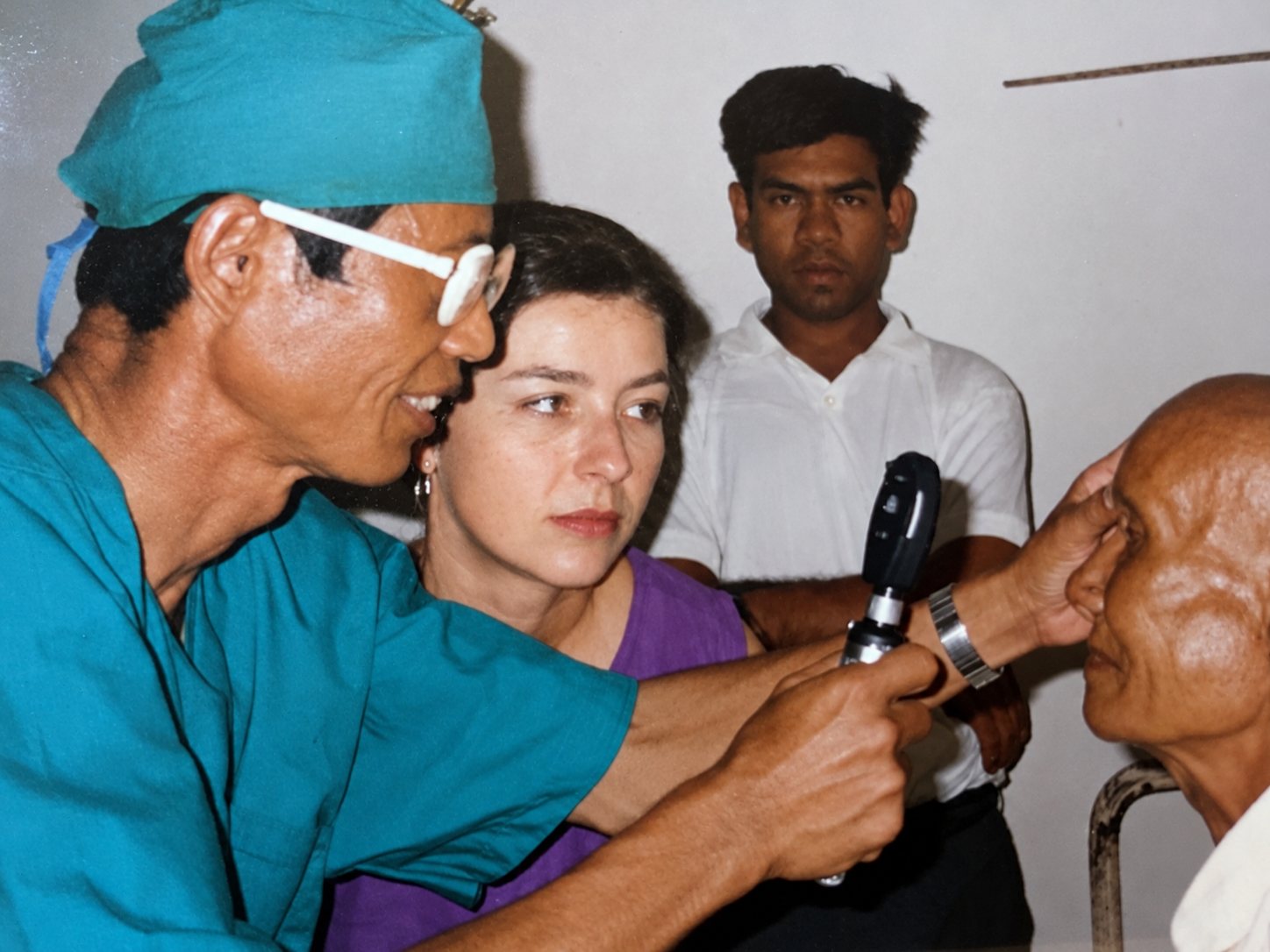
A novel of Cambodia by an eye surgeon who worked there at a time when the Khmer Rouge still threatened the fragile peace.
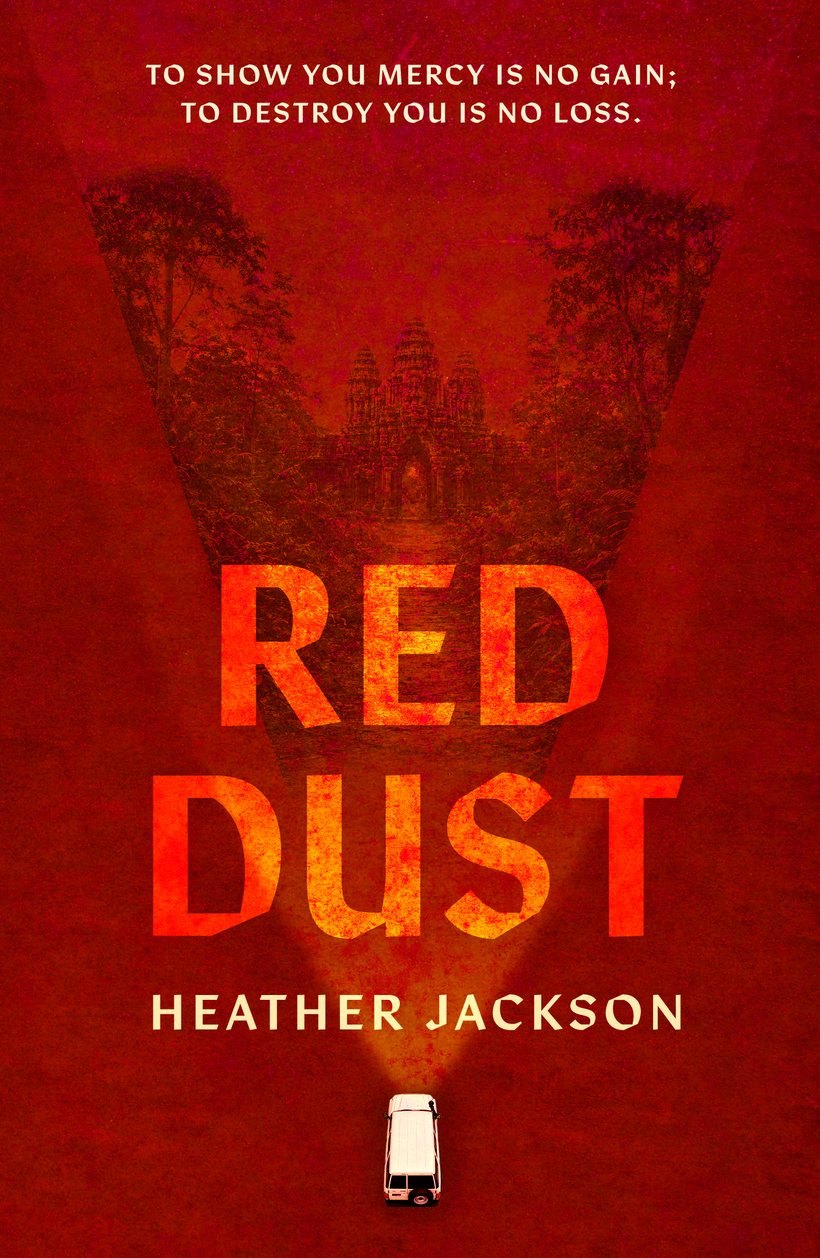
Paperback & ebook · 360 pages · Troubador

“To show you mercy is no gain; to destroy you is no loss.”
— The Angkar
Emily, a London journalist, remains haunted by the disappearance of her mother, a doctor, in Cambodia twenty years earlier. When a name from the past resurfaces, she realises she can’t move on without trying to uncover the truth.
She engineers an assignment to cover illegal logging in Cambodia, but the investigation soon becomes dangerous and deeply personal. Guided by journalist Jon Berger and his Cambodian wife Nary, Emily journeys from Phnom Penh to Battambang and deep into the forests where illegal logging is robbing the villagers of their livelihoods.
As Emily closes in on the truth, those complicit will do anything to keep their secrets buried. Can she finally achieve justice for her mother, and come to terms with her past?
“Pol Pot’s shadowy organisation the Angkar destroyed almost a quarter of Cambodia’s population during the Khmer Rouge’s murderous rule.”
The Khmer Rouge took Phnom Penh on the 17th of April 1975. It abolished money, private property, religion and education, and emptied the cities in its quest to build an agrarian utopia. Over the next four years, an estimated 1.5 to 2 million people out of a population of roughly 8 million were either murdered or succumbed to starvation, disease or exhaustion.
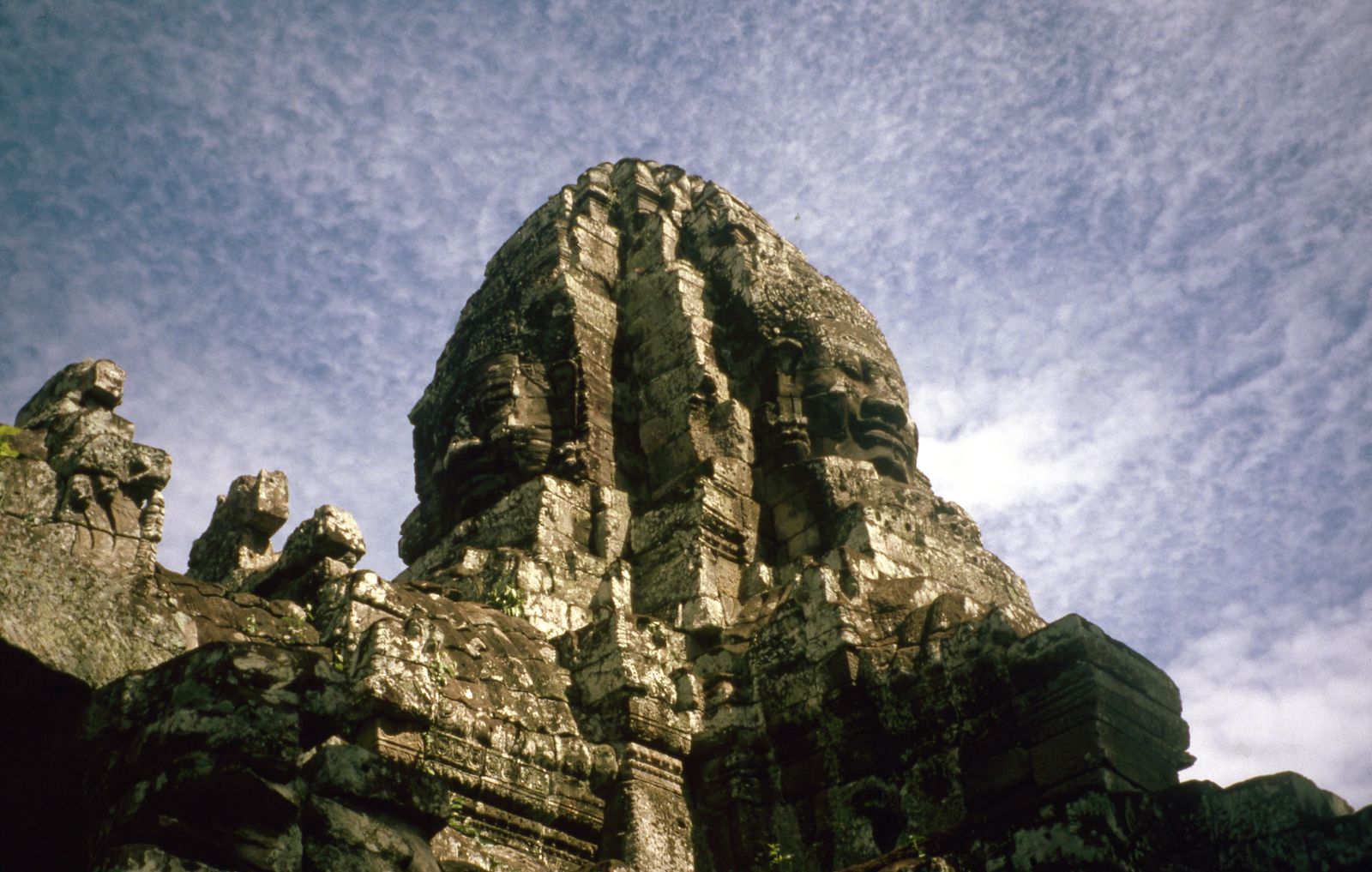
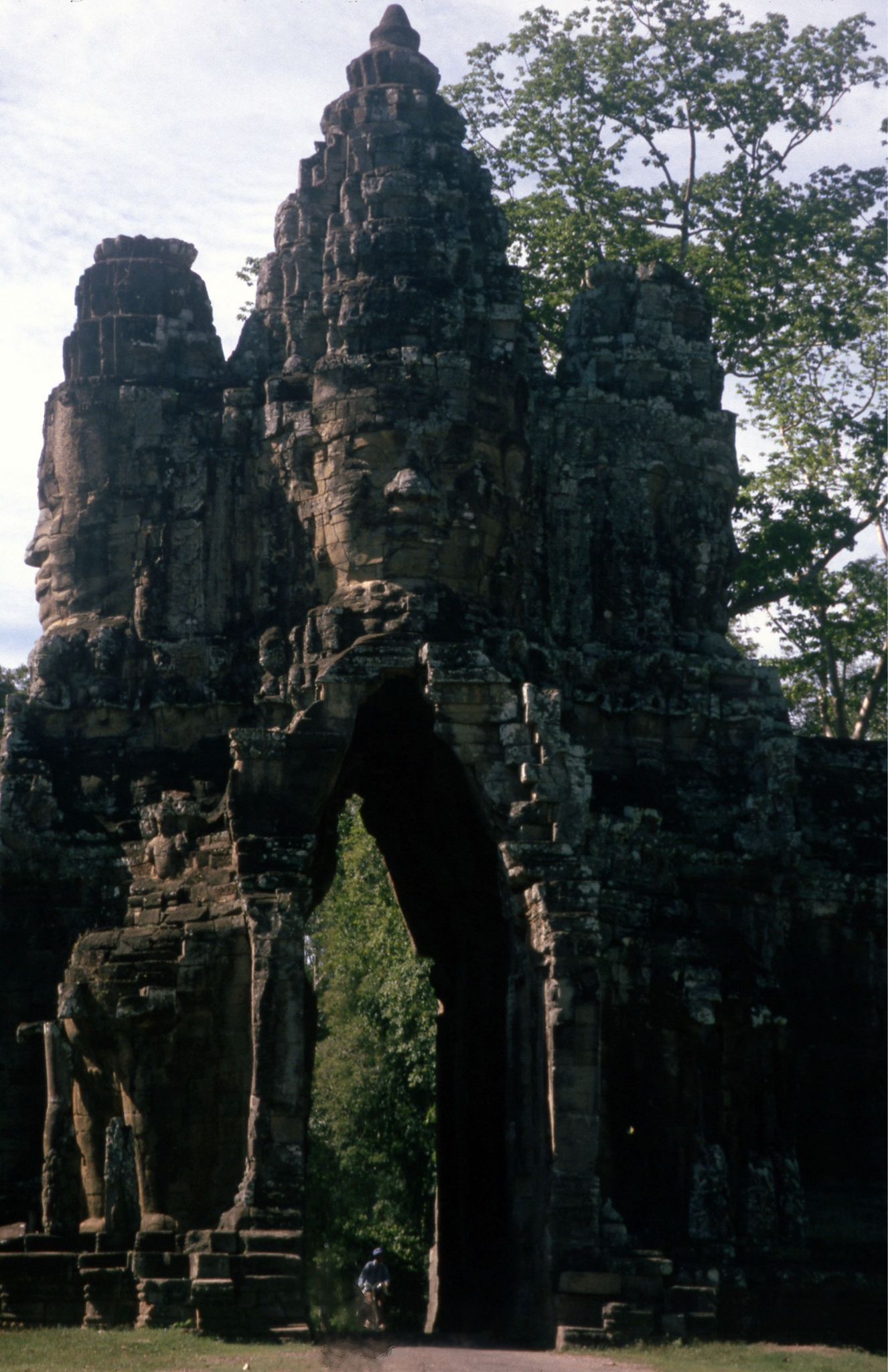
Cambodia is a beautiful country: the unpaved roads coloured red by the iron-rich soil which oxidises in the tropical climate; the ubiquitous red-and-white checked kramas worn by all Khmers to protect from the sun, the red dust, and the rains; stunning ancient temples reclaimed by the forests.
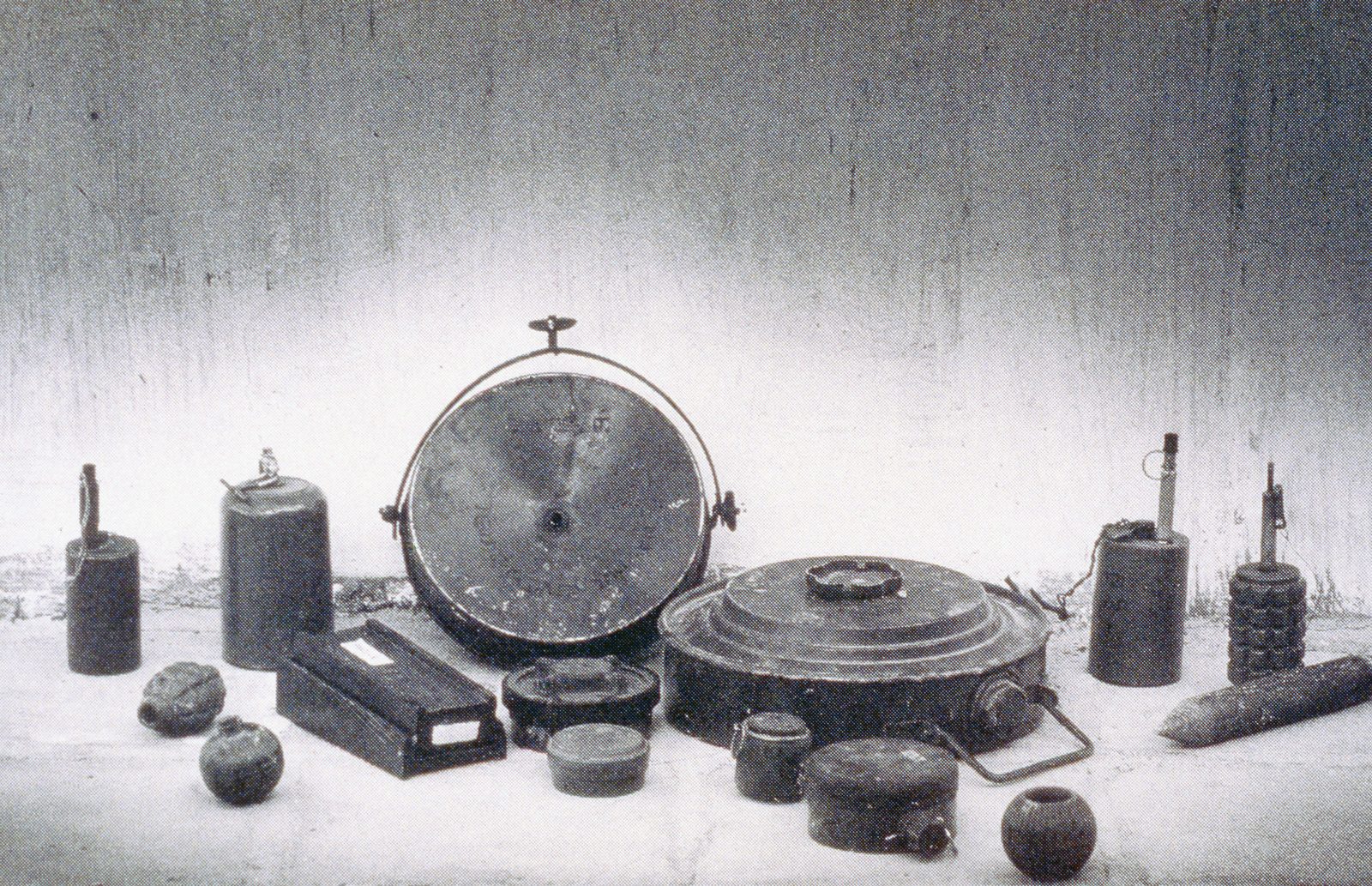
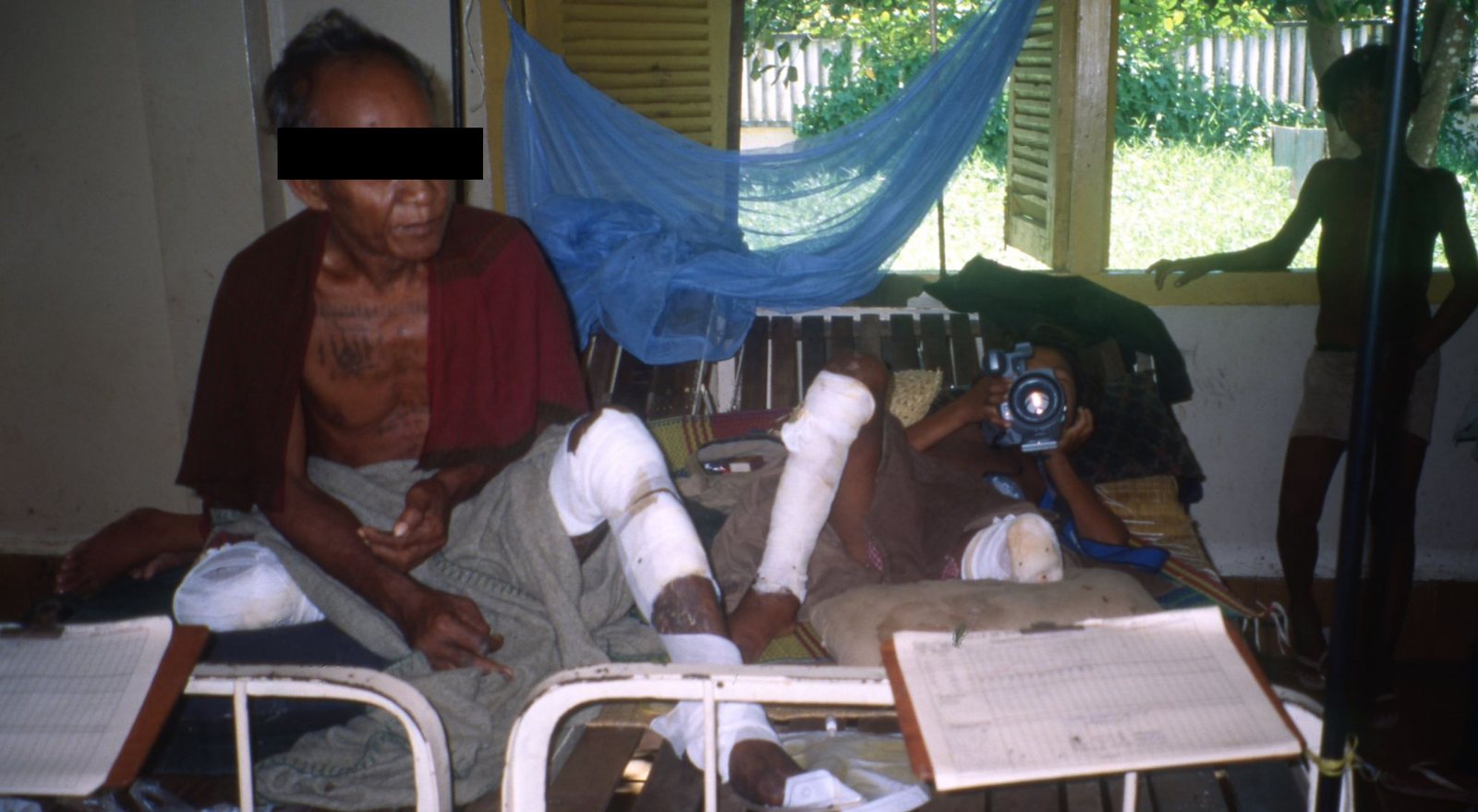
A beautiful country disfigured by the millions of landmines laid in farmland and forest. An estimated 7 million were laid during the civil war and through the 1980s.

people killed, or dead of starvation, disease and exhaustion, between 1975 and 1979.
landmines laid in farmland and forest across the civil war and through the 1980s, and still being cleared today.
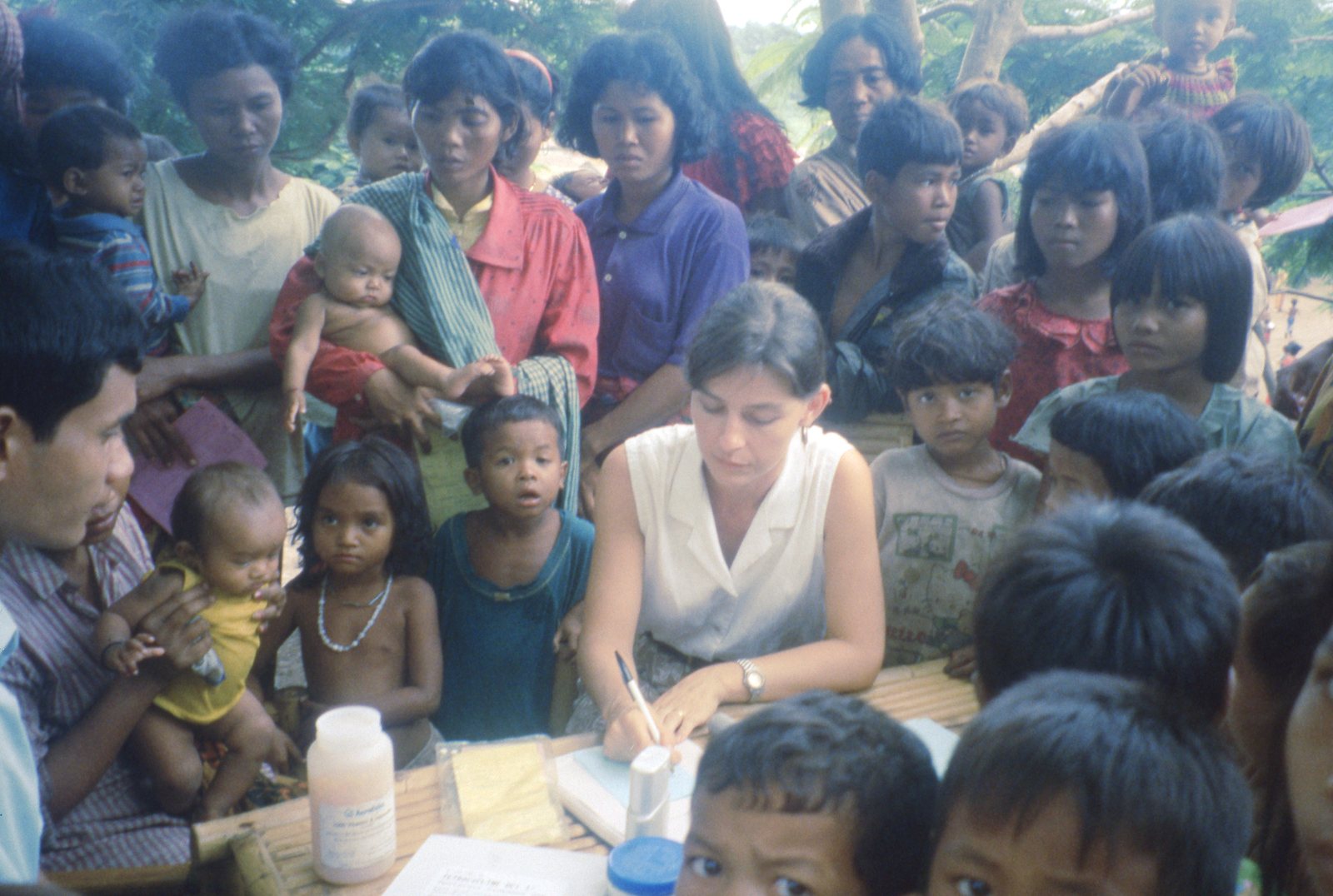
The year the author arrived in Battambang to work as a doctor.
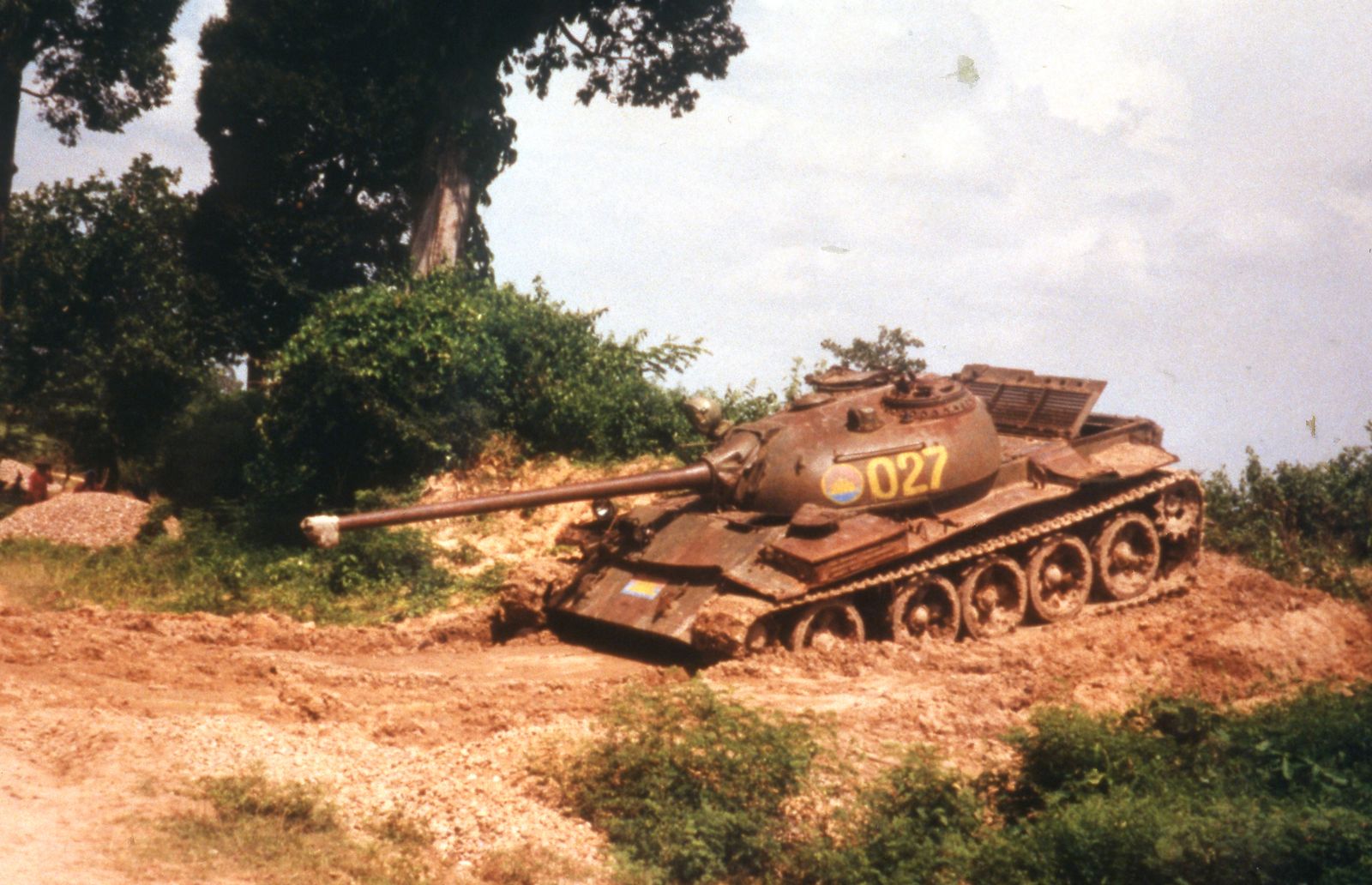
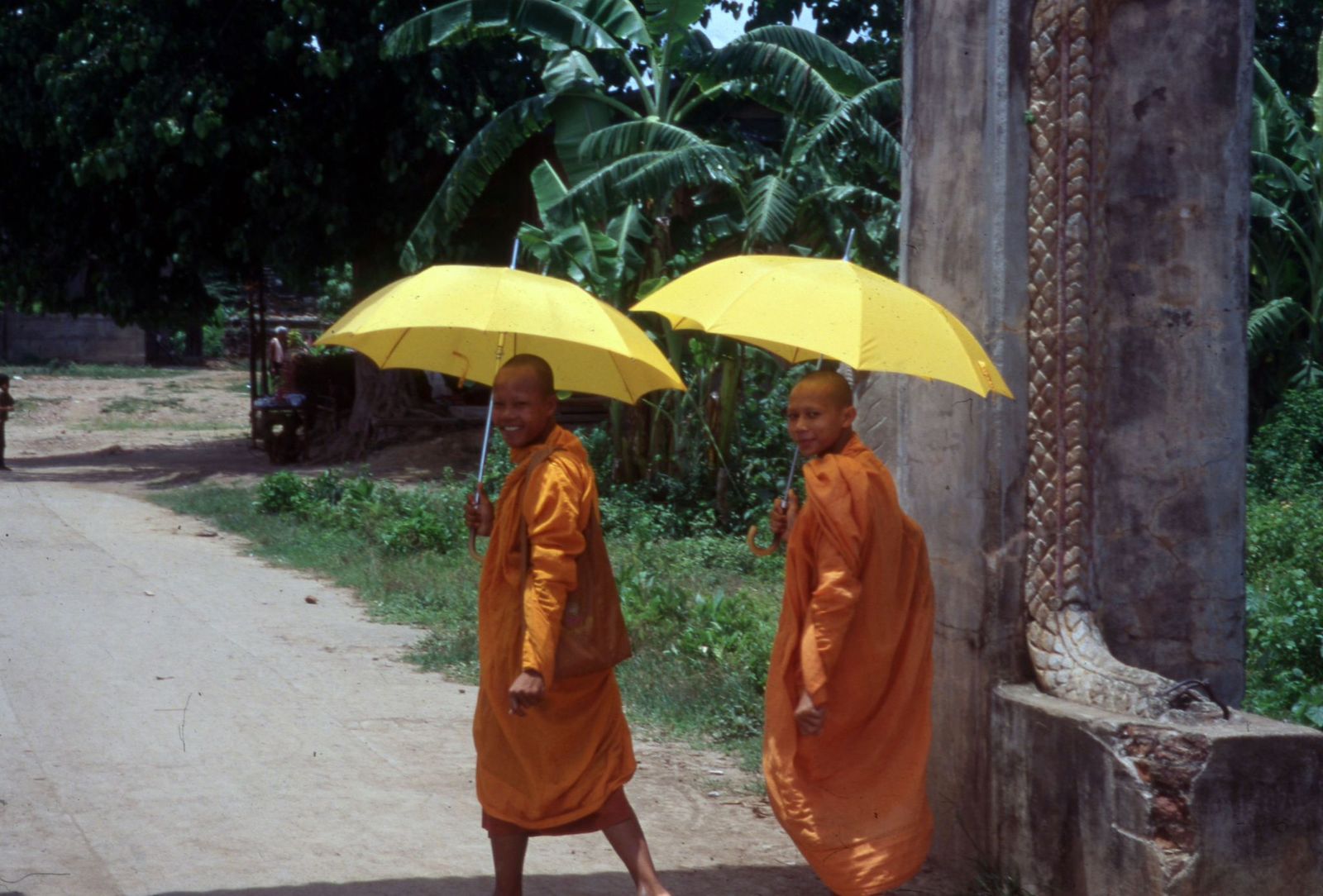
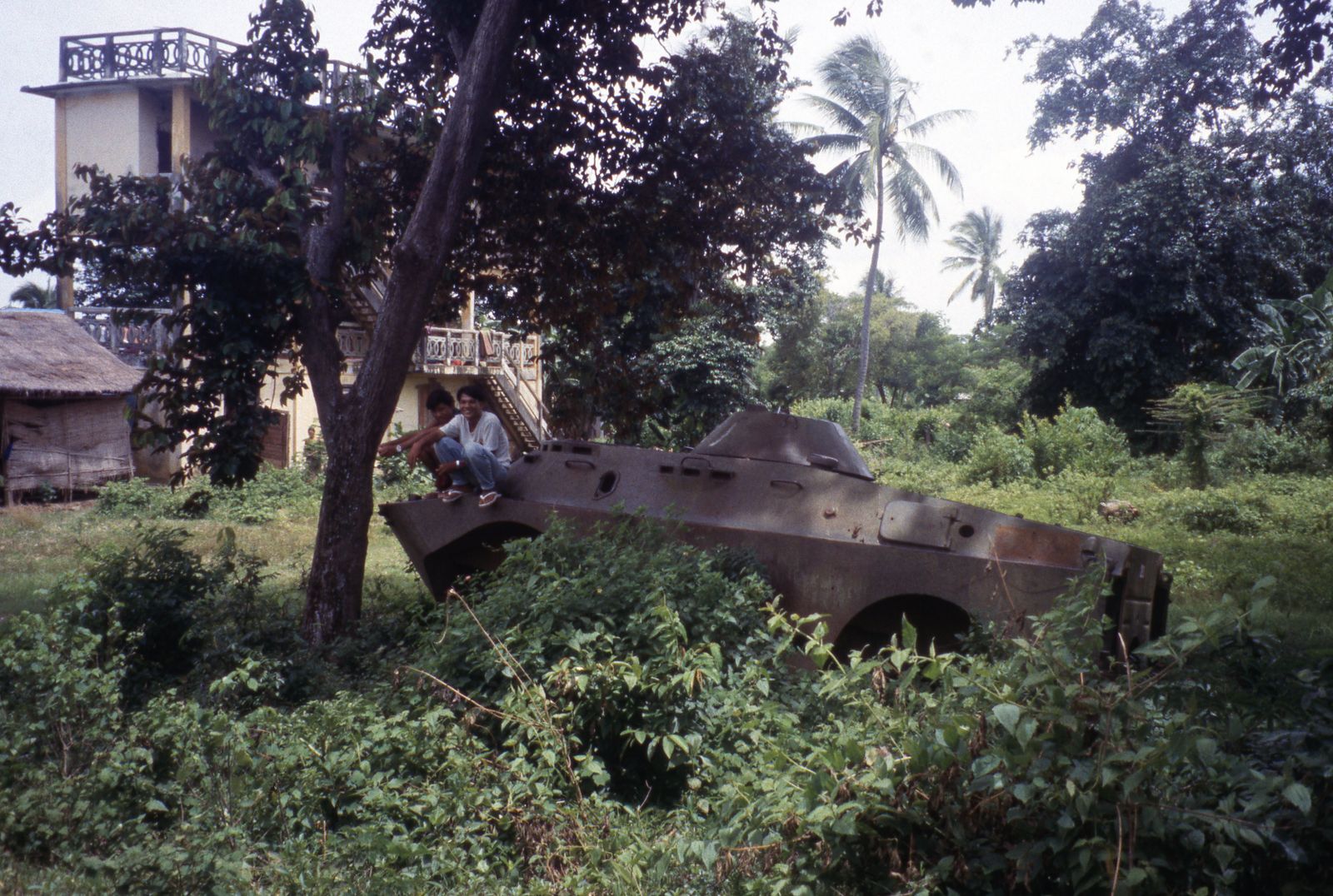
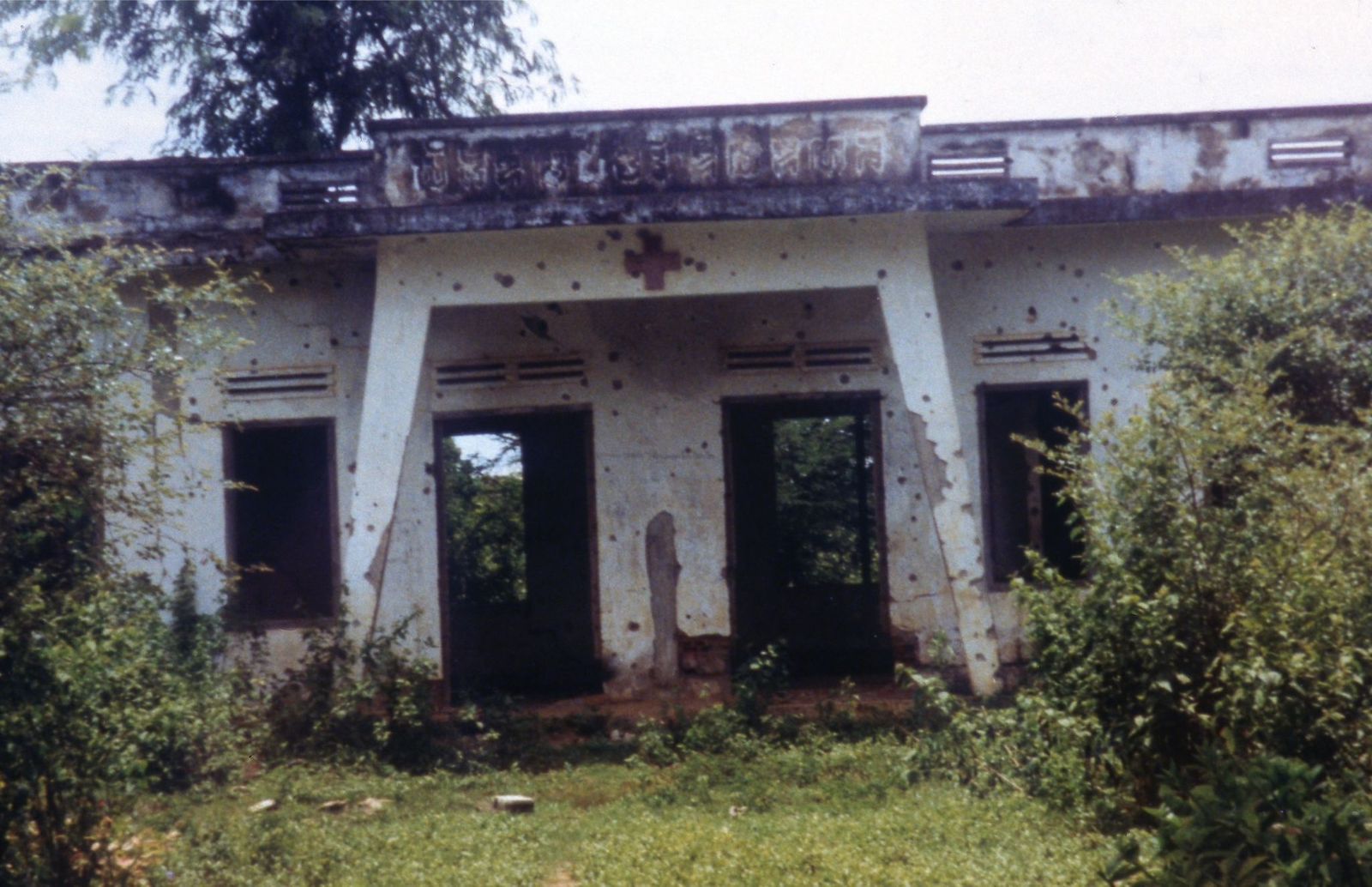
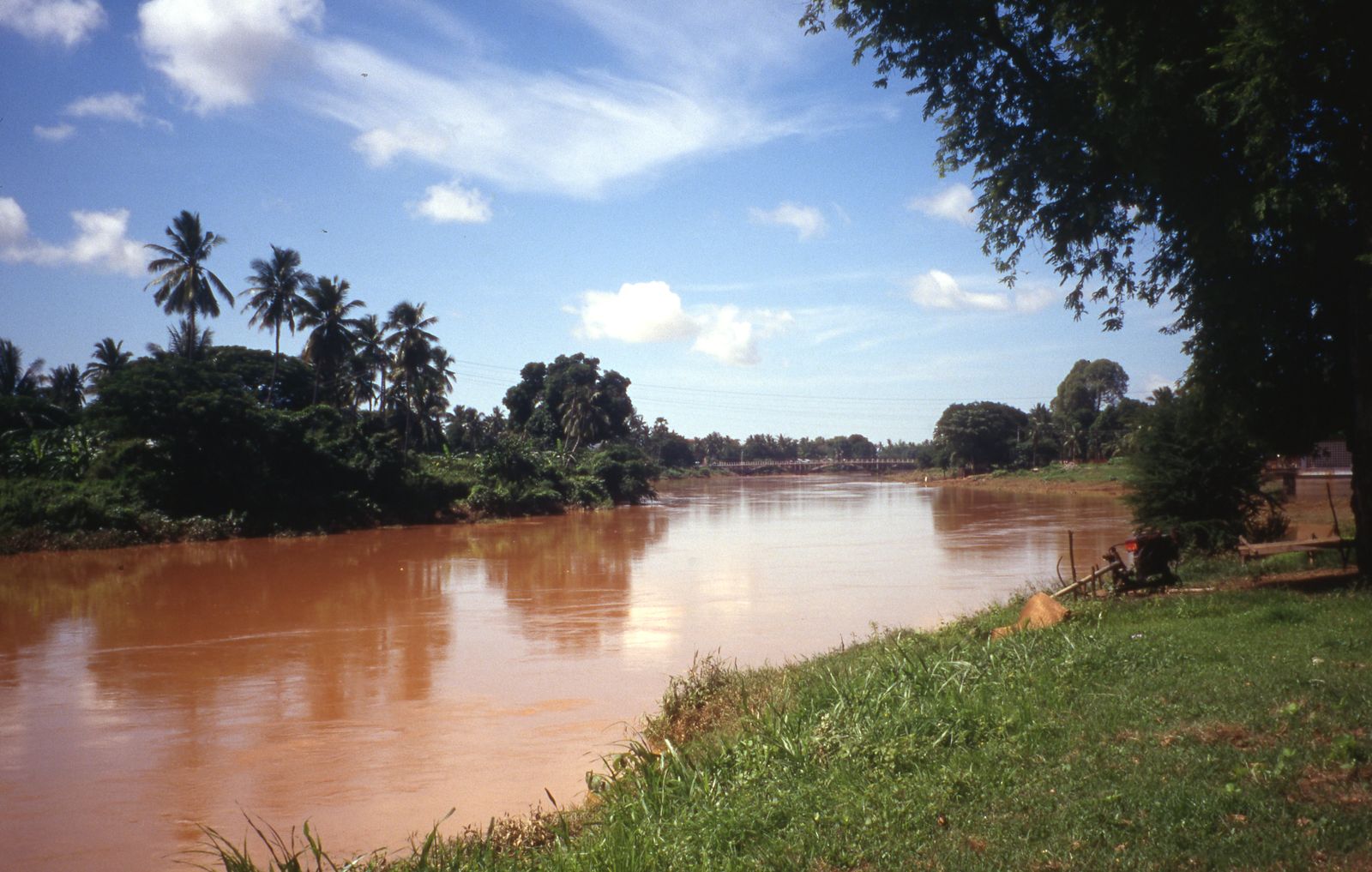
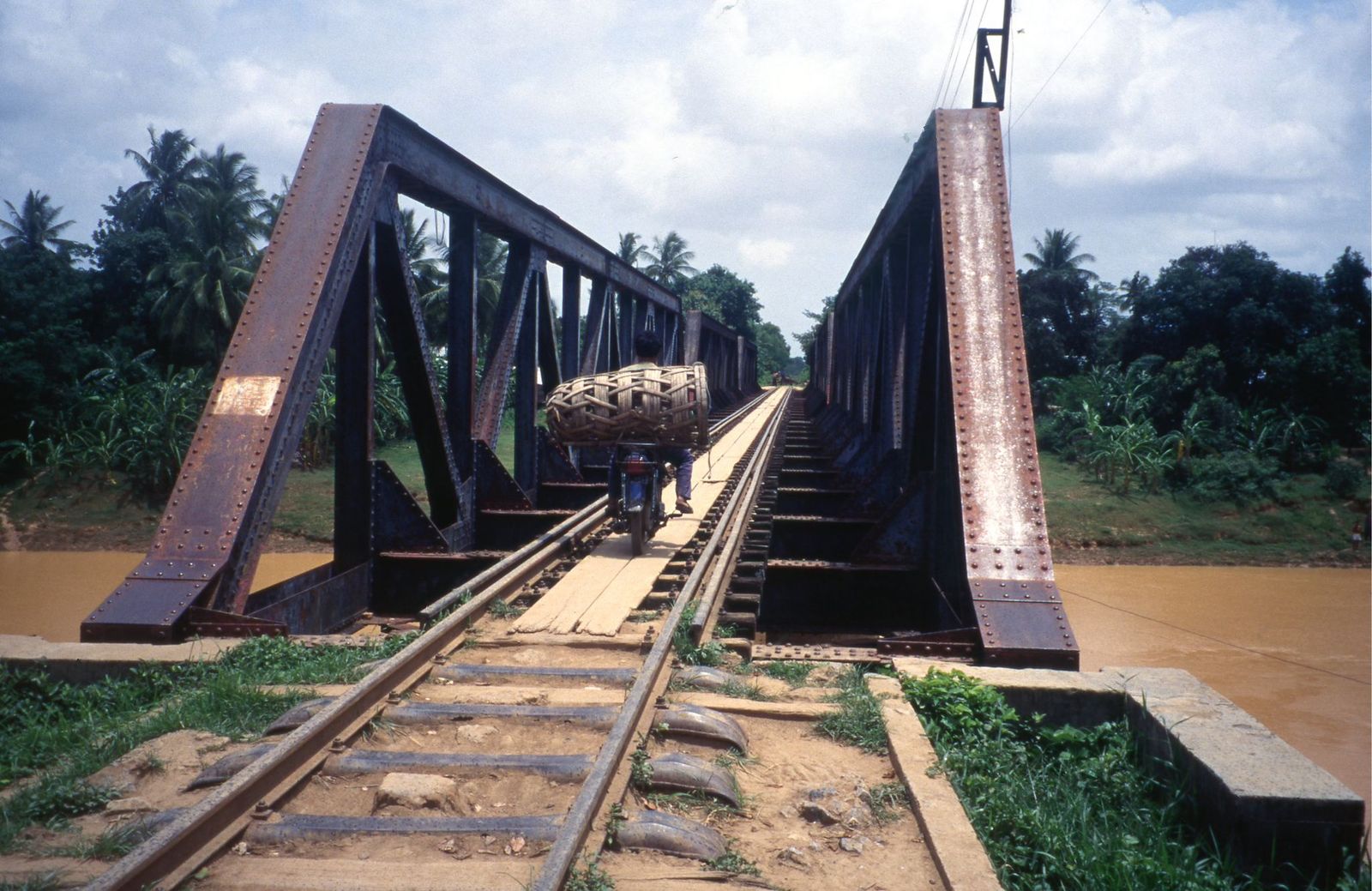
Taken in northwestern Cambodia while Heather Jackson lived and worked there. Not research for the novel — the novel came a long time afterwards.


Phnom Penh. It was a watchful city, beneath the indolence and the charm. An alertness born of its history. The Pearl of the East, it had been a city of royalty and pop stars and hedonism. But all that was destroyed on the seventeenth of April 1975, when the boys in black pyjamas marched along its wide French boulevards and sent its people to work and starve and die in the countryside.
They set off early as the sun dragged itself slowly upwards into another perfect sky, driving through the city as the light brightened and the heat had not yet taken hold. The food stalls serving breakfasts of num banh chok and kuy teav were already crowded and the aroma of the noodles and steam from the soup merged with the acrid smell of petrol fumes.
They travelled on, past a dusty city park with gaudily painted pagodas. A street market with signs advertising London fashion and Angkor beer. Harley Street Clinique For All Illness! Emily glimpsed the slow green-brown waters of the Tonlé River, curving indolently through the city. To their right was the Japanese Friendship Bridge, mined and destroyed during the war and now rebuilt. She remembered its jagged, broken silhouette, a legacy of the terrible times the city had endured.
The books and the research behind the novel.
Directed by Roland Joffé. The film that sparked my interest in Cambodia’s modern history.
Kissinger, Nixon and the destruction of Cambodia. One of the books that started it.
The modern history of a troubled land.
The demining officer who became a friend, and whose kidnapping by the Khmer Rouge is the inspiration behind Red Dust.
An academic peer-reviewed paper. Of the people blinded in both eyes by injury in north-west Cambodia, almost every case was a penetrating wound from a mine — and almost all were men aged between 15 and 35.
Read the paper →Ophthalmic Epidemiology 4(1), 27–32.
Read the paper →Still clearing mines in Cambodia today, more than thirty years after the photographs on this page were taken.
Published on 28 October 2026 in paperback and ebook. If you can, order it from a bookshop — quote the ISBN and they can have it in within a couple of days.